
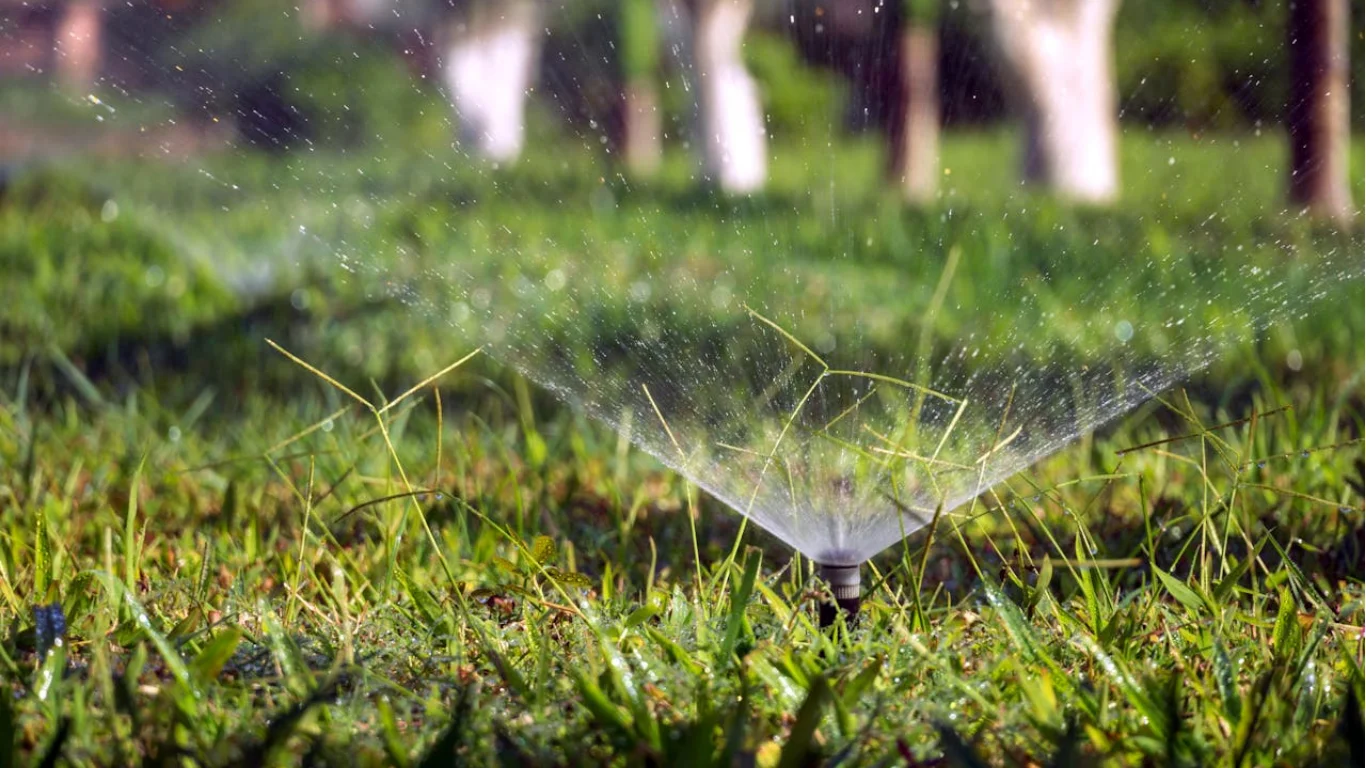
How to water garden grass correctly is one of the most important steps in maintaining a healthy, green lawn. Many homeowners struggle with dry patches, weak roots, or yellowing grass simply because watering is done incorrectly. In the USA, changing weather patterns make proper lawn hydration even more essential. This guide explains how to water garden grass the right way so your yard stays strong and vibrant all year.
Why Proper Watering Matters for Garden Grass
Watering helps grass develop deep roots and resist heat stress. Shallow or inconsistent watering weakens turf and makes it more vulnerable to weeds and disease. When you understand how to water garden grass properly, you improve soil health and overall lawn appearance.
Correct watering also prevents waste and lowers water bills. Healthy lawns require balance, not excess moisture. This foundation supports long-term grass growth.
Best Time of Day to Water Garden Grass
Early morning is the ideal time to water garden grass because temperatures are cooler and wind is minimal. This allows moisture to soak deeply into the soil before evaporation increases. Watering in the afternoon often leads to rapid evaporation and uneven absorption.
Night watering can leave grass damp for long periods, encouraging fungal growth. Morning routines create the healthiest environment for lawns. Timing plays a major role in how to water garden grass successfully.
How Often Should You Water Garden Grass?
Most lawns need watering two to three times per week, depending on climate and soil type. Deep, infrequent watering encourages roots to grow downward, making grass more drought-resistant. Daily light watering creates shallow roots and weak turf.
Always adjust frequency based on rainfall and seasonal temperature changes. Overwatering is just as harmful as underwatering. Knowing how to water garden grass at the right intervals prevents lawn damage.
How Much Water Does Garden Grass Need?
Garden grass typically requires about one to one and a half inches of water per week, including rainfall. This amount allows moisture to reach root zones without flooding the soil. You can measure output using small containers placed around the yard during watering.
Even coverage is essential for consistent growth. Avoid puddles or dry spots by adjusting sprinkler placement. Proper volume is critical when learning how to water garden grass.
Sprinkler vs Hand Watering Methods
Sprinklers are ideal for covering large lawn areas evenly and efficiently. Adjustable sprinkler systems help control spray patterns and reduce waste. Hand watering works well for small patches or newly planted grass.
Both methods can be effective when used correctly. The key is slow, steady watering that penetrates soil deeply. Choosing the right method improves how to water garden grass across different yard sizes.
Soil Type and Water Absorption
Sandy soil drains quickly and may need more frequent watering. Clay soil holds moisture longer but absorbs water slowly, requiring longer watering sessions. Loamy soil provides the best balance of drainage and retention.
Understanding your soil type helps you adjust watering schedules accurately. This knowledge prevents runoff and root rot. Soil awareness improves results when mastering how to water garden grass.
Seasonal Watering Adjustments
Grass needs more water during hot summer months and less during cooler seasons. Spring watering supports new growth, while fall watering prepares roots for winter. Dormant winter grass usually requires minimal moisture.
Always adapt watering routines to temperature and rainfall patterns. Seasonal care keeps lawns resilient year-round. Flexibility is essential in how to water garden grass.
Signs You Are Overwatering or Underwatering
Overwatered grass feels spongy and may develop fungus or brown patches. Underwatered lawns appear dull, bluish-gray, and don’t bounce back after being walked on. These visual cues help identify hydration issues early.
Correcting watering habits restores lawn health quickly. Observation prevents long-term damage. Monitoring grass condition improves how to water garden grass effectively.
Conclusion
Learning how to water garden grass properly transforms your lawn from weak and patchy to thick and green. By watering early in the morning, adjusting frequency, understanding soil type, and applying the right amount of moisture, homeowners achieve stronger root systems and healthier turf. Seasonal adjustments and consistent routines prevent common lawn problems. With smart watering habits in 2026, your garden grass can thrive beautifully all year long.
FAQs
How long should I water my lawn each time?
Most lawns need about 20 to 30 minutes per watering session, depending on sprinkler output and soil type, to allow moisture to reach deep roots.
Can I water garden grass every day?
Daily watering is not recommended because it encourages shallow roots. Deep watering two to three times per week is far healthier for lawn growth.
Is it okay to water grass at night?
Night watering increases the risk of fungus because grass stays wet longer. Early morning is the safest and most effective time.
How do I know if my grass is getting enough water?
Healthy grass appears green and springs back when stepped on. If it looks dull or stays flat, it likely needs more water.
Should new grass be watered differently?
Yes, newly planted grass requires light daily watering until roots establish. After that, transition to deeper, less frequent watering routines.